

Guides
A home beside vines: questions beyond the view
A vineyard view also faces a working landscape. Separate what you see from what you know and ask precise questions about the neighbouring activity.
Contents
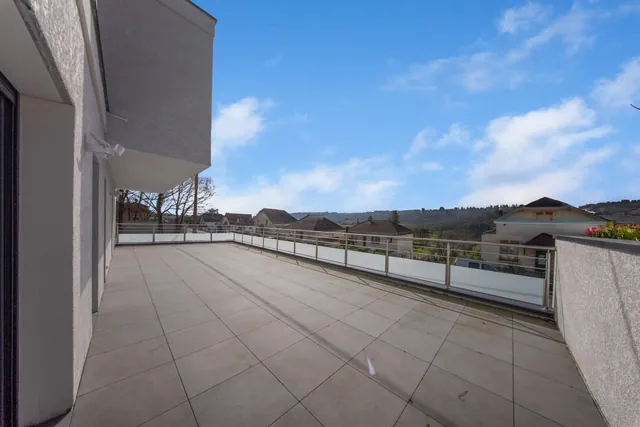
Rows of vines fill the view from the terrace. Back in the UK, you remember the landscape and wonder what living beside it would mean throughout the year. One viewing cannot reconstruct the work of a vineyard. It can, however, give you a starting point for precise questions, without turning a brief observation into a conclusion about the neighbouring grower’s practices.
Identify the land you are actually looking at
From the spaces you would use, note which plots and access routes raise questions. Describe their position without assuming that you know the operator or the rights of access. Vines visible in a photograph may be separated from the garden by another property or a track. Clarify the layout before describing them as immediately adjoining the house.
Then identify the activities that matter to you: working beside a window, eating on the terrace or reaching a garage. This turns an abstract question about countryside living into something that can be discussed. There is no universal verdict on a vineyard setting; its relevance depends partly on when and where you expect to use the house.
Use the seasonal cycle as context, not as an appointment book
The Burgundy Wine Board explains the annual vine cycle and the work associated with the seasons. This helps explain why a winter viewing and a visit near harvest may show different activity. It does not provide a timetable for the particular plot opposite the house.
Ask what has actually been observed, during which period and from which part of the property. Keep that answer separate from a forecast. Weather and the needs of the vines can affect interventions, so an indicative calendar should not be treated as a set of permanently fixed working dates.
A tractor does not identify the task
The industry’s guide for visitors and local residents explains that tractors perform several tasks: seeing one does not necessarily mean a plant-protection product is being applied. Equally, seeing no machinery during your viewing does not establish that no interventions take place. Describe the observation first and ask the appropriate person what it means.
A useful question might be: “We saw this movement at this time of year; what work was taking place, and where can residents find relevant information?” That is easier to answer than a claim about the entire business. Ask the town hall or professional organisations which information arrangements cover the area, without assuming a particular notification system exists at the address.
Keep an observation separate from a verified answer
Use three headings in your notes: dated observation, explanation received and point still to establish. An answer about soil cultivation does not automatically answer a question about spraying. A general description of a production method does not replace information about the particular neighbouring plot. A landscape, a label or a property agent’s opinion should not be turned into a health assurance.
Stay within places where access is permitted. You do not need to enter a working plot or interrupt an operation to prepare a question. Personal contact details and private correspondence also do not belong in the public description of a property. Keep only the information necessary to understand your own proposed use of the house.
Give the next visit a specific purpose
Review what remains unanswered before arranging another trip. Do you need to understand an access route, see the terrace at another time or obtain information about neighbouring work? Choose a step that addresses the actual uncertainty instead of repeating an identical viewing.
Shawez Ali, agent immobilier, can help gather the available information about the house. Answers about vineyard activity should retain their source and scope. The aim is to enjoy a landscape with a practical understanding of the setting, without expecting a single photograph or a reassuring phrase to describe every season.