

Guides
A French right of way: who can use the access?
A visible track does not explain the rights over it. Identify the beneficiary, route and permitted use before buying a Burgundy property.
Contents
A lane runs behind the garden of a Burgundy house, and someone describes it as a “right of way”. Does that mean walkers can use it, a neighbour can drive along it, or you will be able to reach your garage? The English phrase alone answers none of those questions. Before discussing gates and keys, establish which right is being described.
Start by separating public access from a private entitlement
GOV.UK distinguishes different public rights of way and the activities they permit. A footpath is not automatically a route for cars, and the guidance needs to be read in the context of the UK nation concerned. Familiarity with a public path at home cannot settle the meaning of a provision in a French property deed.
At the house you are viewing, first ask whether the route is described as public, as a right benefiting a particular property, or as somebody’s permission to use the land. Do not choose an answer simply from observing who happens to pass during the viewing. What people do is useful evidence to discuss; the legal basis still needs to be established.
Identify the property that benefits
Service Public explains that a French servitude belongs with the property and transfers on sale. Its guidance also distinguishes landlocked land from land that is merely difficult to access, where an agreement with the neighbour must be recorded in writing. Give the available title documents to the notaire to assess the particular situation.
Ask which property benefits from the passage and which carries it. A loose description can suggest that a track serves only the house being sold when another property also has rights. Conversely, access currently used by the seller may need explanation before you understand what entitlement the purchaser would acquire.
Boundary ownership is a different question. Establishing who owns the ground does not, by itself, establish who may cross it. Our French planning and legal checks guide places these enquiries alongside the other checks involved in an acquisition.
Test the wording against the activities that matter to you
Select three genuine requirements: bringing a car in, receiving a firewood delivery and walking to an outbuilding, for example. For each, ask whether the established right covers that use, along which route and under what conditions. This is more precise than asking whether access is “good”, which can mix the surface, physical width and legal permission together.
If your plans involve changing how a building is used, tell the notaire. Do not assume that a passage currently used to reach a store will accommodate every future activity. Equally, successfully driving a car along the track during a viewing does not answer an unresolved question about the right to do so.
Keep the answer attached to the particular use you asked about. If walking access has been explained but vehicle access remains uncertain, the entire route should not be described in your notes as cleared. This makes it easier to decide which aspect of the proposed purchase still needs attention.
Look at the practical controls without treating them as proof
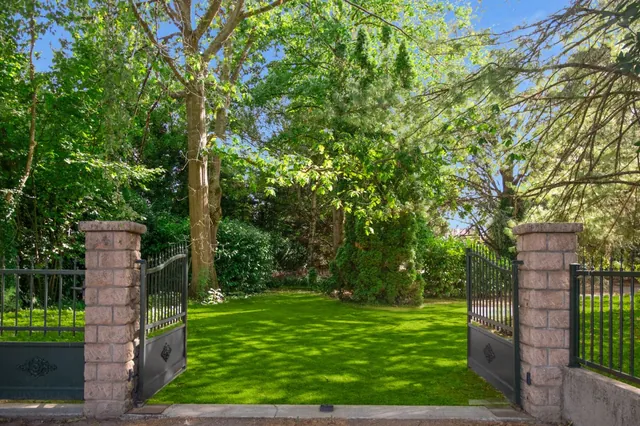
A barrier, gate or passing space may affect day-to-day use. Record where it is and ask how opening arrangements work. Would a delivery require someone to be present? Who holds the means of access? Bring those explanations back to the documented rights rather than asking a neighbour for a doorstep assurance that supposedly resolves everything.
Ask how maintenance is organised and which documents explain the arrangement. A tidy surface on a summer viewing does not establish everyone’s responsibilities. The useful result is an access description that both parties can understand and verify. Reassuring English terminology, without a precise entitlement behind it, does not make the route more dependable.